

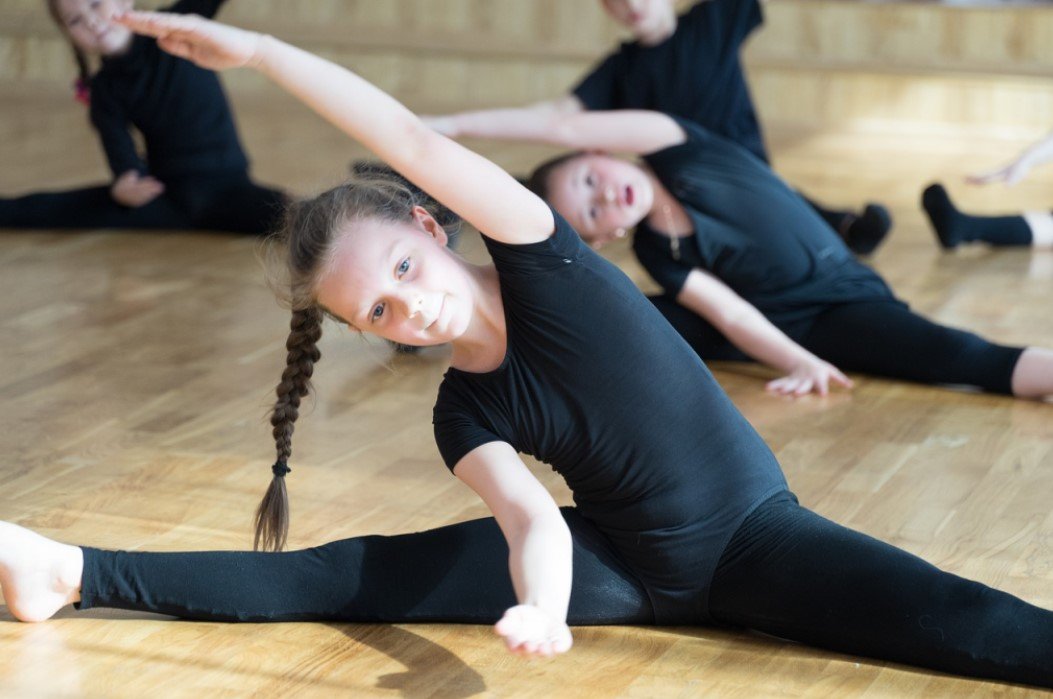
Dance is both an art and an athletic pursuit. Whether children are learning ballet, jazz, hip-hop, or contemporary styles, movement requires strength, control, balance, and endurance. For young dancers — especially those who train regularly — integrating strength training for young dancers can be a powerful way to improve performance, reduce injury risk, and support healthy physical development.
However, strength training for children must be approached thoughtfully. Young bodies are still growing, and safe methods differ from those used by adult athletes. In this article, we’ll explore why strength training matters for young dancers, how it supports their overall development, what exercises are appropriate, and how to integrate strength work without compromising safety or enjoyment.
Why Strength Matters in Dance
Dance isn’t just about flexibility and rhythm — it demands strength from head to toe. Strong muscles help dancers:
-
Maintain posture
-
Control movement transitions
-
Jump higher or farther
-
Land with stability
-
Reduce fatigue in long rehearsals or performances
Strength also supports alignment, which is crucial for technique and injury prevention. When muscles are conditioned properly, young dancers can move more confidently and with greater artistry.
Debunking Myths About Strength Training for Children
Some people worry that strength training will harm growing bodies or stunt growth. These concerns are rooted in outdated ideas. Current research shows that strength training for young dancers — when done safely — offers benefits without adverse effects. The key is appropriate intensity, technique, supervision, and progression.
Strength training for children should focus on:
-
Bodyweight exercises
-
Controlled movement
-
Technique and posture
-
Gradual increases in challenge
Heavy weights and maximal lifting are not recommended for young dancers, but safe, targeted bodyweight work elevates strength in ways that support dance performance.
Benefits of Strength Training for Young Dancers
1. Improved Technique and Control
Strength helps dancers hold positions with precision and execute movement transitions smoothly. Core, leg, and upper-body strength all contribute to better technique.
2. Stronger Core for Balance and Poise
Core strength is foundational in dance. A strong core stabilizes the spine, supports balance, and enhances alignment — all of which improve overall performance.
3. Reduced Injury Risk
Dancers with stronger muscles around joints (such as knees and ankles) are less likely to experience common injuries like sprains or strains. Strength conditioning enhances muscular support around vulnerable areas.
4. Increased Endurance
Strength training boosts muscular endurance, helping dancers sustain energy through long classes, rehearsals, and performances.
5. Confidence and Body Awareness
Understanding their own strength and mastery of controlled movements increases confidence and helps dancers feel more connected to their bodies.
Safe Strength Training Exercises for Young Dancers
Before adding strength work, it’s essential that dancers have basic movement competency and that exercises are age-appropriate. Supervision by a qualified instructor ensures proper technique and progression.
Here are example categories and exercises suitable for young dancers:
Bodyweight Core Work
-
Planks (full and side planks)
-
Hollow holds
-
Bird-dogs
-
Dead bugs
These exercises develop stability without equipment, reinforcing the muscles that support posture and alignment.
Lower-Body Strength
-
Squats (bodyweight)
-
Glute bridges
-
Calf raises
-
Lunges (forward and side)
These movements strengthen muscles used for jumps, turns, and landings.
Upper-Body Support
-
Wall push-ups
-
Modified plank shoulder taps
-
Superman holds
Upper-body strength helps dancers maintain line and perform lifts or extensions with stability.
Balance and Stability
-
Single-leg balance holds
-
Balance reach drills
-
Controlled leg lifts
These exercises improve proprioception — the body’s ability to sense its position in space — which is essential in dance.
How to Integrate Strength Work into Dance Training
Strength training doesn’t have to take long or replace dance technique classes. Instead, it can be woven into weekly routines:
-
Warm-ups: Add short core sequences at the beginning of class
-
Cross-training days: Include a brief strength circuit once or twice a week
-
Rehearsal breaks: Insert 5–10 minute strength sets during longer rehearsals
-
Home practice: Encourage dancers to repeat simple, safe exercises at home
Consistency matters more than volume. Short, regular sessions lead to better results than occasional long workouts.
Supervision and Technique: The Core of Safety
Young dancers should never engage in strength training unsupervised, especially when learning new movements. Proper guidance ensures that they:
-
Maintain correct alignment
-
Use full range of motion
-
Avoid locking joints
-
Breathe appropriately during exercise
Quality matters more than quantity. A few well-executed exercises build strength without risking strain or injury.
Strength Training and Dance Performance
When incorporated thoughtfully, strength training enhances dance performance in measurable ways:
-
Higher jumps due to stronger leg muscles
-
Cleaner turns with improved core stability
-
Better posture contributing to aesthetic line
-
Greater stamina during longer routines
-
Faster recovery after rehearsal or performance
Dancers who understand their own strength often move with more confidence and expressiveness. Strength becomes a tool that supports artistry, not just physical capability.
Guidelines for Parents and Teachers
Parents and dance educators can support a safe strength approach by:
-
Encouraging positive body awareness
-
Asking instructors about strength modules
-
Ensuring dancers warm up and cool down properly
-
Prioritizing form over repetitions
-
Monitoring for signs of fatigue or discomfort
These practices make strength training a positive, confidence-building experience.
For a complete list of age-appropriate strength exercises and expert guidance on safe strength training for kids who dance, this resource offers a practical, kid-focused approach.
Long-Term Benefits Beyond Dance
Strength training doesn’t just improve dance — it supports lifelong physical health. Young dancers who learn safe strength techniques gain:
-
Better posture and core support
-
Stronger bones and muscles
-
A foundation for future athletic pursuits
-
Habits of mindful, active living
These benefits extend far beyond the studio and into everyday wellness.
Conclusion: Strength Training as a Supportive Dance Companion
Incorporating safe, age-appropriate strength training into a young dancer’s routine doesn’t replace dance classes — it enhances them. When done correctly, Strength training for young dancers improves technique, reduces injury risk, builds confidence, and supports performance goals. Most importantly, it teaches young dancers how to move with strength, awareness, and joy.
By adopting a mindful approach to strength conditioning, dance teachers and parents help children not just move beautifully — but move powerfully. Whether in warm-up sequences or weekly conditioning routines, strength training becomes a valuable partner in every young dancer’s development.
