

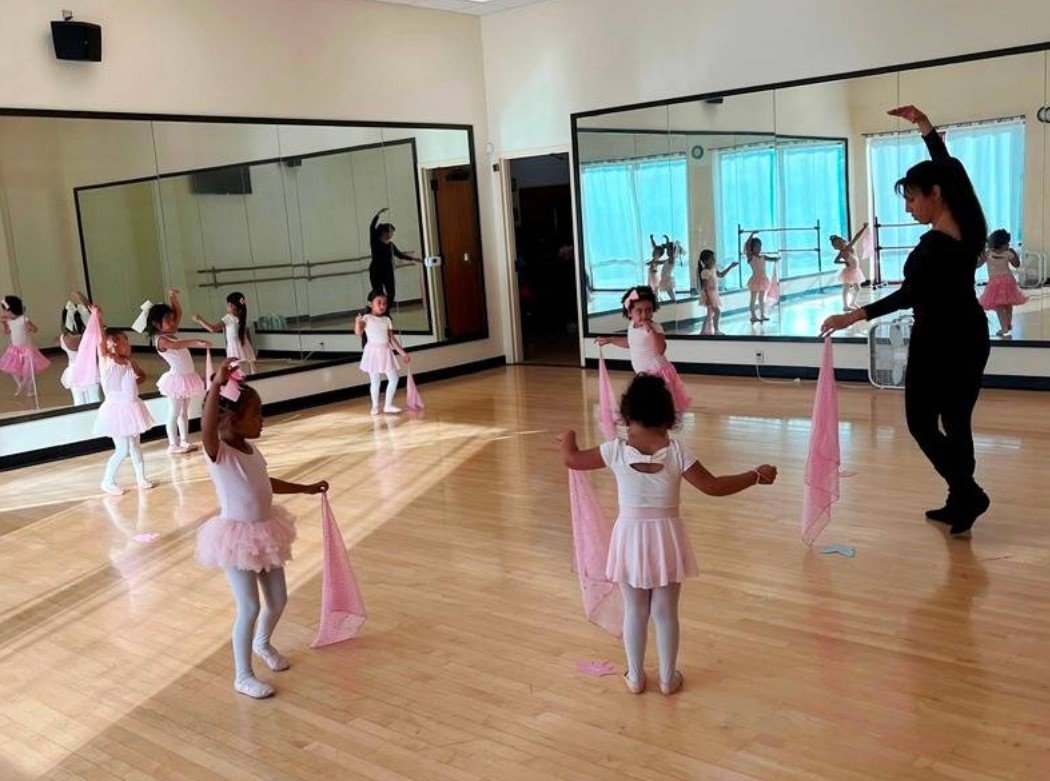
Watching a young child discover movement through dance is a joyful experience. At three years old, children are naturally curious, energetic, and eager to explore new activities. Enrolling them in Ballet classes for 3 year olds can help channel that enthusiasm into a fun, structured environment where they develop confidence, coordination, and creativity. However, not every beginner ballet program is the same. Knowing what to look for can help parents choose a class that nurtures both learning and enjoyment.
This guide explains how to find the right ballet program, what your child can expect, and how to ensure their first dance experience is a positive one.
Why Choose Ballet Classes for 3 Year Olds?
Early childhood is a wonderful time to introduce children to dance. At this age, ballet focuses less on technical perfection and more on movement, rhythm, and imagination.
Benefits of Ballet classes for 3 year olds include:
- Improved balance and coordination
- Better listening and following directions
- Increased confidence in group settings
- Development of social skills through teamwork
- Enhanced creativity and self-expression
- Stronger posture and body awareness
These early lessons establish healthy habits that can benefit children throughout their lives, whether they continue dancing or pursue other activities.
What Happens During a Beginner Ballet Class?
Parents often wonder what their child will actually do in class. Unlike advanced ballet lessons, preschool ballet emphasizes fun while introducing basic dance concepts.
A typical class may include:
Warm-Up Activities
Teachers use playful stretches and gentle exercises to prepare little bodies for movement while improving flexibility.
Creative Movement
Children pretend to be butterflies, princesses, animals, or floating leaves. These imaginative activities help them understand rhythm and movement.
Basic Ballet Positions
Students learn simple arm and foot positions without pressure to perform them perfectly.
Music and Rhythm Games
Children clap, march, skip, and move to different musical tempos, developing coordination and musical awareness.
Closing Dance
Most classes end with a short dance routine or fun activity that reinforces what children learned during the lesson.
Qualities of a Great Ballet Program
Choosing the right dance school is just as important as deciding to enroll your child.
Experienced Preschool Instructors
Look for teachers who specialize in working with toddlers and preschool-aged children. Teaching three-year-olds requires patience, encouragement, and creativity.
Small Class Sizes
Smaller groups allow instructors to give each child more attention while maintaining a calm learning environment.
Safe Dance Studio
A quality studio should have:
- Clean facilities
- Non-slip dance flooring
- Plenty of space
- Safe equipment
- Comfortable waiting areas for parents
Positive Learning Environment
Young dancers learn best when instructors use praise, encouragement, and playful teaching methods instead of strict correction.
Signs Your Child Is Ready for Ballet
Not every three-year-old develops at the same pace, but many children are ready if they can:
- Follow simple instructions
- Participate in group activities
- Walk, run, and jump confidently
- Separate from parents for a short period
- Show interest in music and movement
Remember that every child progresses differently. Confidence grows with time and consistent practice.
What Should Your Child Wear?
Many studios provide a dress code before the first class.
Typical beginner ballet clothing includes:
- Comfortable ballet leotard
- Soft ballet slippers
- Tights or leggings
- Hair secured away from the face
- Light sweater for colder weather if needed
Avoid oversized clothing that may limit movement or make instruction more difficult.
Questions Parents Should Ask Before Enrolling
Before choosing Ballet classes for 3 year olds, ask the studio a few important questions.
What Is the Class Length?
Most preschool ballet classes last between 30 and 45 minutes, which matches the average attention span of young children.
Can Parents Watch?
Some studios have observation windows or designated parent viewing days, while others encourage children to participate independently.
What Is the Teaching Philosophy?
Ask whether the focus is on recreation, creative movement, or preparation for formal ballet training.
Are Trial Classes Available?
A trial lesson lets your child experience the class before making a long-term commitment.
Helping Your Child Enjoy Ballet
Parents play a major role in creating a positive dance experience.
You can help by:
- Arriving early to avoid rushing
- Praising effort instead of perfection
- Practicing simple movements at home
- Listening to ballet music together
- Reading children’s books about dance
Keeping expectations realistic allows children to enjoy learning at their own pace.
Common Challenges During the First Few Classes
Many parents worry when their child feels nervous at first. This is completely normal.
Some common challenges include:
Separation Anxiety
Some children hesitate when leaving their parents. Experienced instructors know how to gently encourage participation without forcing it.
Short Attention Spans
Preschool ballet classes include frequent activity changes to keep children engaged.
Shyness
Many children observe quietly during their first lesson before gradually joining in.
Patience is key. Most children become comfortable after several classes.
How Often Should a Three-Year-Old Attend Ballet?
For beginners, one class per week is usually ideal.
This schedule provides:
- Regular learning without overwhelming the child
- Time to practice naturally through play
- Opportunities to build confidence gradually
As children grow older and become more interested, they may choose to attend additional classes.
Choosing Between Recreational and Competitive Programs
Parents sometimes worry about choosing the “right” path.
For most preschoolers, recreational ballet is the best option because it focuses on:
- Fun
- Creativity
- Physical development
- Confidence
- Friendship
Competitive training can always come later if a child develops a strong passion for ballet.
Long-Term Benefits of Early Ballet Training
Children who begin Ballet classes for 3 year olds often gain skills that extend beyond dance.
These include:
- Improved discipline
- Better concentration
- Strong communication skills
- Increased confidence in public settings
- Healthy exercise habits
- Greater appreciation for music and the arts
Whether they continue dancing for years or simply enjoy a few beginner classes, the experience can positively influence many aspects of childhood development.
Conclusion
Choosing the right Ballet classes for 3 year olds is about much more than learning dance steps. A high-quality beginner program introduces children to movement, music, creativity, and friendship in a supportive environment designed for their age and abilities.
By selecting experienced instructors, prioritizing fun over perfection, and encouraging your child’s progress with patience, parents can help create a joyful first ballet experience. The confidence, coordination, and love of movement developed in these early classes often become valuable lifelong gifts that extend well beyond the dance studio.
