

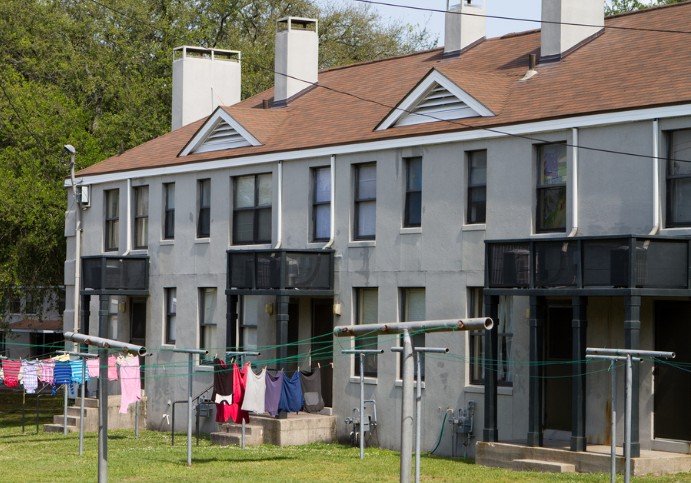
If you’re searching for Section 8 housing for sale, you’re likely interested in a property that offers stable rental income while helping provide affordable housing to qualified tenants. Section 8 properties have become increasingly attractive to both new and experienced real estate investors because of their reliable demand and government-backed rental assistance.
Whether you’re looking to purchase your first rental property or expand an existing portfolio, understanding how Section 8 housing works can help you make an informed investment decision. This guide explains what Section 8 housing is, how to find properties for sale, and what to consider before buying.
What Is Section 8 Housing?
Section 8 is a federal rental assistance program administered by the U.S. Department of Housing and Urban Development (HUD). The program helps low-income families, seniors, and individuals with disabilities afford safe and sanitary housing.
Under the Housing Choice Voucher Program, eligible tenants receive vouchers that cover a portion of their monthly rent. The tenant pays the remaining amount, while the local Public Housing Authority (PHA) pays the balance directly to the landlord.
When investors purchase Section 8 housing for sale, they typically buy rental properties that are already occupied by voucher holders or properties that qualify for participation in the program.
Why Investors Buy Section 8 Housing
Many investors choose Section 8 properties because they offer several advantages compared to traditional rental properties.
Reliable Rental Income
One of the biggest benefits is dependable rental payments. Since a large portion of the rent comes directly from the local housing authority, landlords often receive consistent monthly income even if tenants experience financial hardship.
High Tenant Demand
Affordable housing remains in high demand across many cities. Voucher holders frequently spend months searching for approved rental properties, making vacancies less common in many markets.
Lower Vacancy Rates
Because demand often exceeds available housing, landlords may experience shorter vacancy periods when one tenant moves out.
Long-Term Tenancies
Many Section 8 tenants stay in the same home for several years, reducing turnover costs such as advertising, cleaning, and repainting between tenants.
Types of Section 8 Housing for Sale
Investors can find several types of properties participating in the Section 8 program.
Single-Family Homes
Single-family houses are among the most popular investment options. They appeal to families seeking stable housing and often require relatively straightforward maintenance.
Duplexes and Multi-Family Properties
Duplexes, triplexes, and apartment buildings can generate multiple streams of rental income from one property. These properties may provide better cash flow for experienced investors.
Existing Section 8 Rentals
Some properties are sold with current Section 8 tenants already in place. Purchasing an occupied property can provide immediate rental income without searching for new tenants.
Vacant Properties
Vacant homes can also qualify for Section 8 after passing required housing inspections and meeting local program standards.
How to Find Section 8 Housing for Sale
Finding Section 8 investment properties requires researching both the real estate market and local housing programs.
Popular sources include:
- Real estate listing websites
- Local real estate agents
- Investment property marketplaces
- Foreclosure listings
- HUD property listings
- Local property auctions
- Real estate investment groups
Some investors specifically search for homes located in neighborhoods with strong demand from Housing Choice Voucher recipients.
What to Consider Before Buying
Before purchasing Section 8 housing for sale, it’s important to evaluate more than just the purchase price.
Property Condition
The home must meet HUD’s Housing Quality Standards (HQS). Properties requiring major repairs may need renovations before qualifying for the program.
Local Rental Rates
Research fair market rents established by your local Public Housing Authority. This helps estimate potential rental income before purchasing.
Neighborhood
Consider school districts, transportation access, employment opportunities, shopping, and healthcare facilities. These factors often influence tenant demand.
Maintenance Costs
Although rental income may be reliable, landlords remain responsible for maintaining the property. Budget for repairs, landscaping, inspections, and routine upkeep.
Understanding Inspections
Section 8 properties must pass periodic inspections to ensure they remain safe and habitable.
Inspectors typically evaluate:
- Plumbing
- Electrical systems
- Heating
- Windows and doors
- Roofing
- Smoke detectors
- Structural safety
- Sanitation
Maintaining the property helps avoid inspection failures and prevents interruptions in rental payments.
Financing Section 8 Investment Properties
Most investors finance Section 8 homes using traditional investment property loans. Loan approval depends on factors such as:
- Credit score
- Down payment
- Income
- Debt-to-income ratio
- Property appraisal
Some lenders specialize in financing rental properties and may offer programs tailored to real estate investors.
Responsibilities of Section 8 Landlords
Owning Section 8 housing comes with responsibilities beyond collecting rent.
Landlords are expected to:
- Maintain safe living conditions
- Complete repairs promptly
- Follow lease agreements
- Cooperate with housing inspections
- Comply with fair housing laws
- Meet local landlord-tenant regulations
Providing quality housing benefits both tenants and property owners.
Is Section 8 Housing a Good Investment?
For many investors, Section 8 housing can provide consistent cash flow and long-term stability. However, every investment should be evaluated individually.
Success depends on factors such as:
- Property location
- Purchase price
- Local rental demand
- Maintenance costs
- Vacancy rates
- Market appreciation
- Effective property management
Investors who carefully research neighborhoods and maintain their properties often enjoy steady rental income over the long term.
Tips for First-Time Buyers
If you’re purchasing your first Section 8 property, consider these best practices:
- Research local housing authority rules.
- Calculate all ownership costs before buying.
- Inspect the property thoroughly.
- Set aside a maintenance reserve.
- Work with an experienced real estate agent.
- Understand landlord responsibilities.
- Consider hiring a professional property manager if you own multiple rentals.
Proper planning helps reduce risk and improve long-term returns.
Conclusion
Purchasing Section 8 housing for sale can be an excellent opportunity for investors seeking reliable rental income and long-term property ownership. Government-assisted rental payments, strong tenant demand, and lower vacancy rates make these properties appealing in many real estate markets.
Before making a purchase, evaluate the property’s condition, understand local Housing Choice Voucher requirements, estimate maintenance expenses, and research neighborhood demand. With careful planning and responsible property management, Section 8 housing can become a valuable addition to a successful real estate investment portfolio while also providing affordable housing for families in need.
